What changes for users: institutions connected, procedures that no longer require a journey, skills trained. And what is holding, when it is.
No spam. One-click unsubscribe.
Three levels, and one rule: whoever sets direction does not implement, and whoever implements does not assess themselves. That separation is what makes decisions controllable.
Steering Committee — it sets the course, approves annual programming and settles the arbitrations that exceed the technical mandate: priorities between components, reallocations, disputes between beneficiary institutions.
Project Technical Committee — it prepares files before they move up: this is where the technical objections of the institutions concerned must be resolved, so that the Steering Committee decides on a clean basis.
Governance is judged not by its composition but by its decisions and their dates. Here is the record of those that commit delivery.
Strategic orientations confirmed; first structuring contracts authorised.
Environmental & social instruments cleared ahead of works.
Field review of readiness in three eastern provinces.
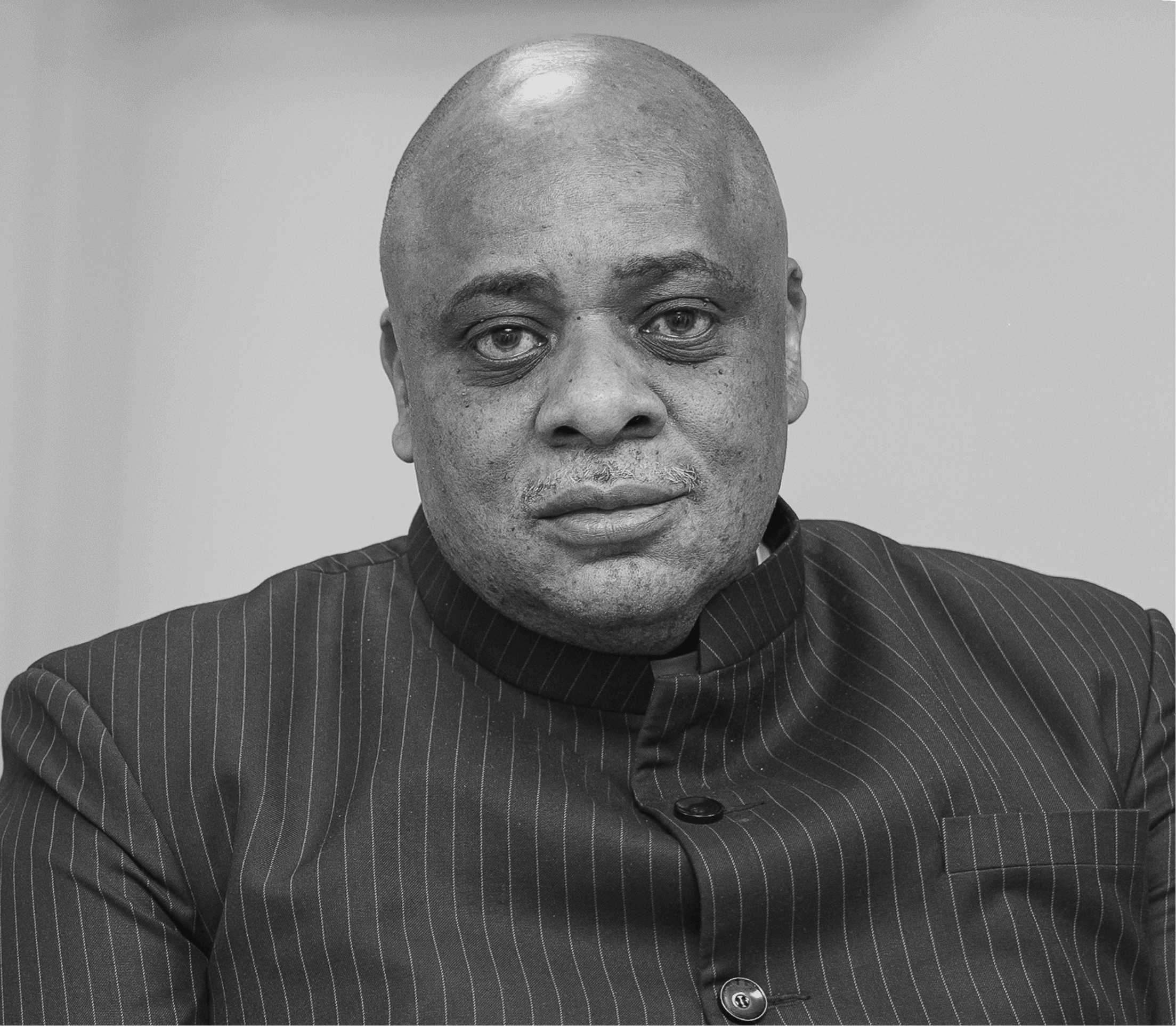
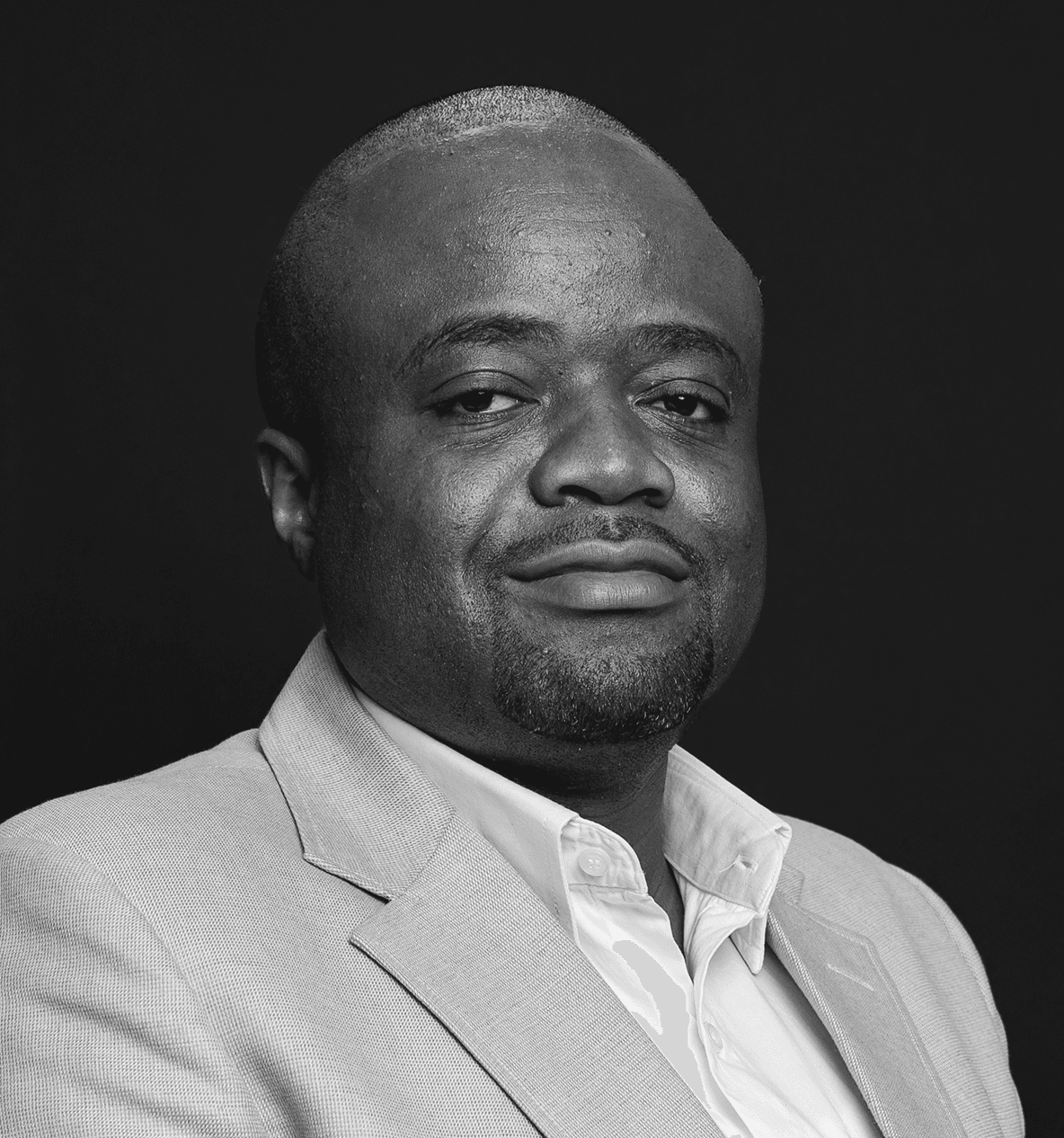
In a project with several donors and several ministries, ambiguity about responsibility costs months. Each role below carries a defined scope and answers for its deliverables to the coordination.
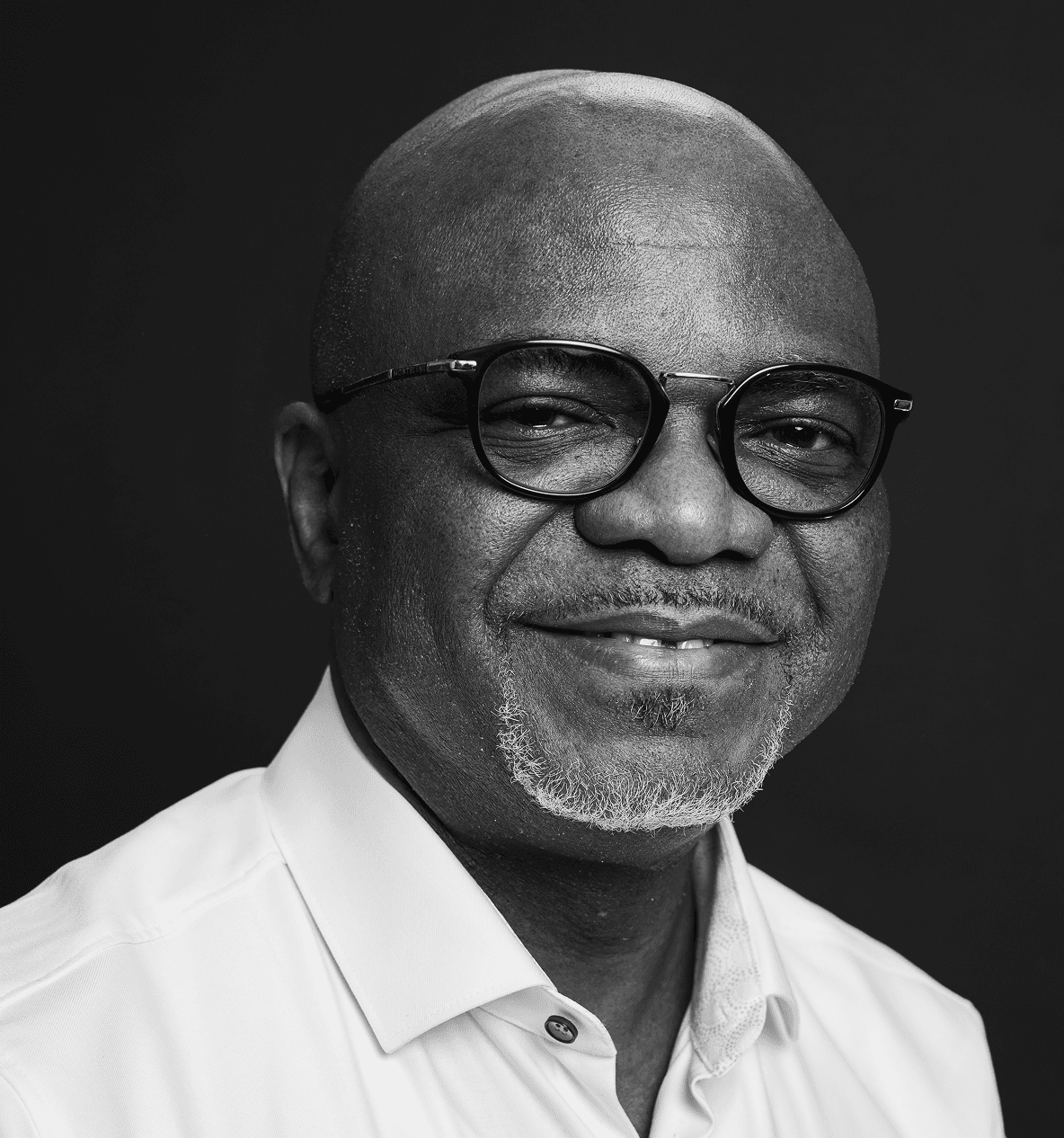
Leads the Unit, secures coherence and the relationship with donors.
Building the State's digital foundations: government network, sovereign cloud, identity, interoperability and cybersecurity.
Minutes, progress reports and tender notices are published as they come. What is not published is flagged, with the reason why.
Disbursement and results indicators reviewed against targets.
26 provinces connected to the grievance and liaison system.
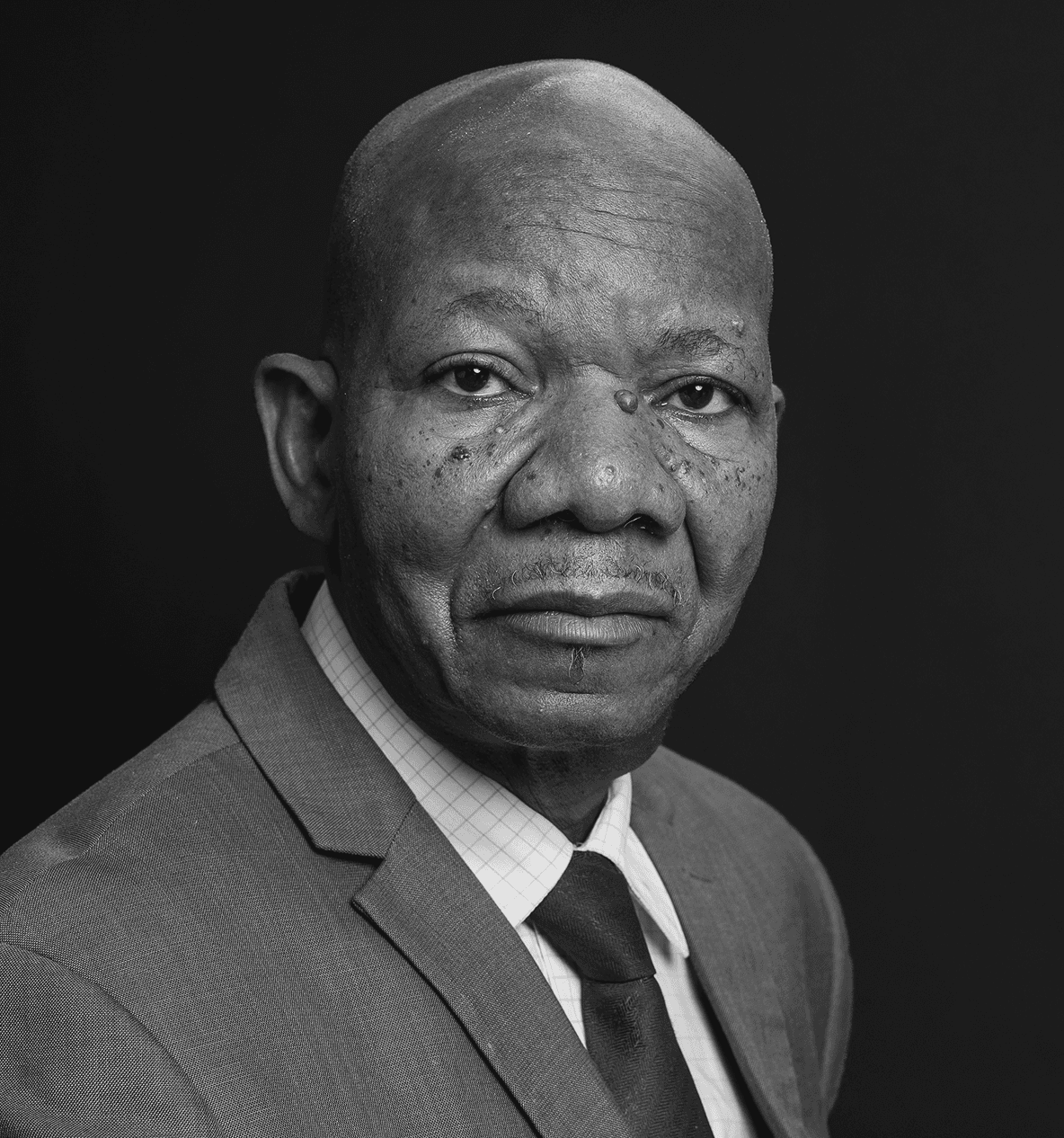
Drives delivery quality and compliance with standards.
Runs open, traceable procurement under World Bank rules.
Measures results against the 2029 framework, across 26 provinces.